
Evaluating Installation Convenience as a Compliance Metric
Installation time parameters, such as a claimed 1-second quick-attach capability, cannot be viewed in isolation as mere efficiency indicators. They directly determine whether a clinician is willing to execute anti-swallow safety protocols during daily surgeries. If the installation process is too time-consuming or operationally complex, clinicians working under high pressure are highly likely to bypass the safety string entirely, leading to a failure of the protective mechanism. Therefore, when evaluating suppliers, procurement teams must link operational timing with clinical behavioral compliance, determining whether the product design can genuinely transform safety regulations into effortless habitual actions.
Design Mechanisms: Guide Ring Loop vs. Traditional Knotting
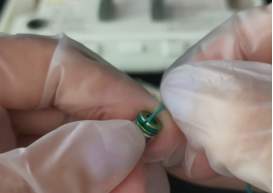
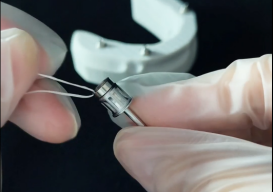
A common clinical pain point occurs when implant surgeons are aware of safety protocols but refuse to use the safety string because they find it troublesome. To address this, buyers should prioritize products featuring a guide ring loop design that supports rapid attachment and detachment over traditional small-hole threading and knotting methods. The structural difference between these two mechanisms dictates the baseline usability in a fast-paced surgical environment.
| Feature | Guide Ring Loop Design (e.g., SPA Safety Screwdriver Set) | Traditional Small-Hole Threading |
| Attachment Method | Looping through a guided ring | Threading string through a small hole and tying a knot |
| Operational Complexity | Low; directional looping | High; requires fine motor skills for knotting |
| Suitability for High-Load Clinics | High; designed for rapid execution | Low; prone to being skipped under time pressure |
| Impact on Compliance | Supports conversion to habitual action | Often leads to protocol abandonment |
When sourcing from Chinese suppliers like M6 dental - Hetailai Group, verifying the specific mechanical design ensures that the flexible supply capabilities align with the clinical requirement for frictionless safety integration.
How Installation Time Impacts Actual Clinician Compliance
To evaluate how the installation convenience of an anti-swallow safety string actually impacts clinical compliance, buyers must observe the workflow transition. The core assessment question is whether the device's engineering allows the safety step to blend seamlessly into the existing surgical sequence. If a clinician must pause, adjust their grip significantly, or perform multi-step manipulations to secure the string, the perceived burden increases. In contrast, designs engineered for immediate engagement reduce cognitive and physical load. Procurement evaluations should therefore test whether the specified installation speed translates into consistent usage across different operators, rather than assuming a fast specification guarantees high compliance.
Boundary Conditions: Ideal Metrics vs. Real Clinical Environments
Buyers must recognize that operational metrics like ‘1-second attach / 1-second detach’ are engineering specifications achieved under ideal conditions. Several variables in a real clinical setting can alter these outcomes:
Understanding these boundary conditions is critical for B2B buyers verifying supplier claims against realistic application scenarios.
Procurement Risks and Common Misconceptions
When customizing or procuring safety screwdriver sets, several risks and misconceptions must be avoided:
Pre-Purchase Checklist for B2B Buyers
Before finalizing a procurement decision for anti-swallow safety screwdriver kits, project engineers and purchasing managers should verify the following conditions:
FAQ
Q: How does installation convenience impact a clinician's willingness to use a safety string?
A: Installation time directly determines compliance. If the process is tedious or time-consuming, clinicians under high workload are likely to abandon the safety tether, causing the protective mechanism to fail. Convenient designs help translate safety rules into effortless habits.
Q: Why should buyers avoid traditional small-hole threading safety strings?
A: Traditional threading and knotting methods are operationally cumbersome. When clinicians find them troublesome, they often skip using the tether altogether. Guide ring loop designs supporting rapid attachment are better suited to ensure safety protocols are actually executed during surgery.
Q: Is the 1-second installation metric guaranteed in real surgeries?
A: No. The 1-second attach/detach metric is an engineering indicator measured under ideal conditions. In reality, factors like fingers covered in blood or saliva altering friction, or applying force in the wrong direction, can cause actual installation times to exceed the nominal value.
Q: What risk arises from overemphasizing ideal installation speeds?
A: Over-glorifying ideal speed parameters can lead to inadequate training for new nurses. If they cannot achieve the stated speed due to environmental factors, it may result in operational frustration and reduced confidence in using the safety device.
Q: How should procurement teams evaluate safety tether designs?
A: Procurement teams should not view installation time in isolation. They must link operational timing with clinical behavioral compliance, testing whether the design (such as the SPA Safety Screwdriver Set) realistically supports consistent use in high-load environments.


